You’ve likely stood in a room and felt that something was missing — not the furniture, not the wall color, but the quality of light from above. That’s where thoughtful down ceiling design changes everything. Think of a ceiling as the sky of your room: when it’s flat and bare, the space feels unfinished. But add a recessed cove, a tray ceiling with hidden LED strips, or a series of pendant lights that hang like glowing fruit, and suddenly the room breathes. You’ll love how a well-designed ceiling draws your eye up, making even a small apartment feel grand and airy.
From modern living rooms with white walls and indirect lighting to dining rooms where chandeliers float above long tables, from kitchens lit by sleek linear fixtures to bedrooms where ceiling fans blend with hidden illumination — this collection explores the art of looking up. Down ceiling design isn’t just about fixtures; it’s about layering light, creating mood, and turning the fifth wall into a focal point. Let’s explore rooms where the ceiling steals the show, and gather ideas to transform your own space from the top down.
1. Modern Living Room — White Walls, a Ceiling That Disappears Into Light
Lift your gaze to this modern living room where white walls meet a ceiling that seems to float. Recessed lights are spaced evenly, casting a gentle glow without visible fixtures. In down ceiling design, sometimes the most beautiful effect is invisible — you notice the light, not the source. You’ll love how the white ceiling blends with the walls, making the room feel taller and infinitely calm.
The furniture below is simple: a gray sofa, a glass coffee table, a single large plant. Down ceiling design works best when the ceiling doesn’t compete with the room’s contents. This pin proves that minimalism above can create maximum impact below. No ornate moldings, no dramatic fixtures — just pure, even light that feels like natural daylight.
2. Living Room Couch, Coffee Table — A Chandelier Hanging Low Over It All
Center your attention on this chandelier hanging low over a coffee table and couch. The fixture is a cascade of brass and frosted glass, suspended just low enough to feel intimate. In down ceiling design, the height of a pendant matters enormously — too high, and it loses presence; too low, and it blocks sightlines. You’ll admire how this chandelier seems to float at perfect eye level when seated.
The room around it is neutral: beige sofa, wood floors, white walls. Down ceiling design often uses a statement fixture to anchor a seating area. This pin shows that a chandelier isn’t just for dining rooms; a living room can feel suddenly formal and cozy at once with the right hanging light.
3. Dining Room Lights — Curtains, Windowsill, and Light Streaming In
Notice how this dining room pairs natural light from a large window with a low-hanging pendant over the table. The curtains are sheer, allowing daylight to soften the room, while the pendant takes over at dusk. In down ceiling design, layering natural and artificial light is key. You’ll love how the windowsill holds a row of candles, echoing the pendant’s glow.
The ceiling is a simple white tray with a recessed cove — a classic down ceiling design trick that adds depth without drama. This pin teaches that your ceiling should work with your windows, not against them. The fixture’s height is adjusted so it doesn’t block the view outside, but still casts a warm circle on the table.
4. Living Room Clean and Ready — A Blank Canvas Above
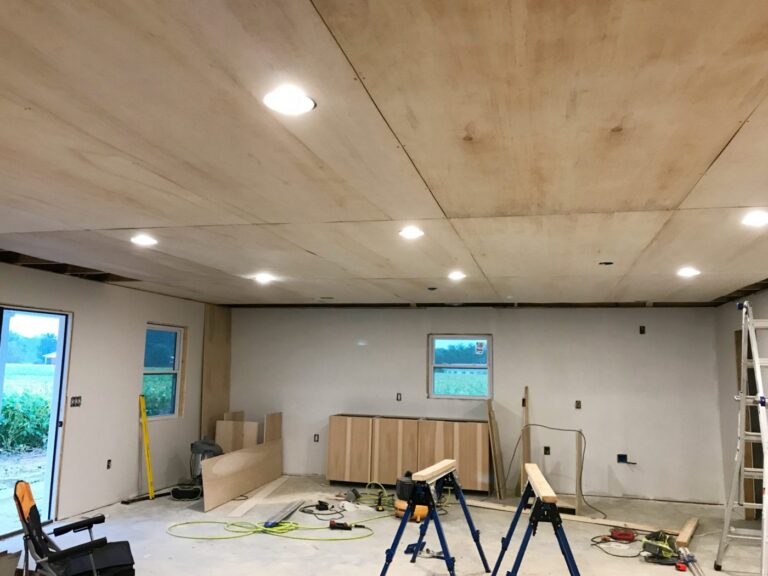
Step into this living room that’s clean and ready — no furniture yet, just white walls and a ceiling with recessed lights evenly spaced. The effect is like a gallery waiting for art. In down ceiling design, starting with a neutral ceiling allows you to add layers later. You’ll appreciate how the recessed lights are on a dimmer, ready to be adjusted for movie nights or parties.
The floor is pale wood, reflecting the ceiling’s whiteness. Down ceiling design often begins with the infrastructure: where will the lights go? How will they be controlled? This pin is a reminder that the best ceiling designs are invisible until you need them — then they perform perfectly.
5. Empty Room — White Walls, Ceiling Lights, Pure Potential
Imagine the possibilities in this empty room: white walls, a white ceiling, and a series of adjustable track lights. The tracks are black, creating a graphic line against the white. In down ceiling design, track lighting is a flexible solution for rooms that might change function. You’ll love how the heads can be aimed at walls (for art) or down (for task lighting).
The room is a blank slate, but the ceiling is already a design choice. Down ceiling design proves that even in an empty space, the ceiling sets the tone. This pin encourages you to think of your ceiling as a grid of possibilities — where can you add light, and how can you control it?
6. Dining Room Table, Chairs — Lights Hanging Like Fruit Ready to Be Plucked
Gather around this dining room table where three identical pendant lights hang in a row above the long table. Their shades are matte black, their bulbs are Edison-style, visible and warm. In down ceiling design, multiple pendants over a dining table create rhythm and focus. You’ll notice how the lights are spaced evenly, each casting a pool of light over a place setting.
The chairs are simple wood, the table is a reclaimed barn door. Down ceiling design often uses repeated fixtures to define a zone in an open floor plan. This pin is a lesson in proportions: the pendants should be about 30 inches above the table, and each should be roughly one-third the width of the table.
7. Room With Some Lights — A Ceiling Light Fixture That Doubles as Art
Study this ceiling light fixture — it’s not just a lamp, it’s a sculpture. Interlocking metal rings, matte black, with LED strips hidden inside. The light casts patterned shadows on the ceiling and walls. In down ceiling design, the fixture itself can be the art. You’ll love how the fixture is the only decoration in the room; everything else is minimal.
The room below holds a single sofa and a rug. Down ceiling design proves that when you invest in a statement fixture, you need less furniture. This pin is for the minimalist who still wants drama: let your ceiling do the talking, and keep the rest quiet.
8. Large Bedroom — Lights, Ceiling, and Curtains That Frame the Night
Settle into this large bedroom where a ceiling fan with integrated LED lights spins slowly above the bed. The fan’s blades are a pale wood, matching the floor. In down ceiling design, ceiling fans don’t have to be ugly — modern designs are sleek and quiet. You’ll appreciate how the fan’s light is dimmable, perfect for reading or winding down.
The curtains are floor-to-ceiling, adding verticality. Down ceiling design works in harmony with window treatments: both draw the eye upward. This pin shows that a bedroom ceiling can be both functional (air circulation) and beautiful (soft, even light). Choose a fan with a light kit that doesn’t buzz or flicker.
9. Untitled — But the Ceiling Tells the Story
Observe this untitled pin: a room where the ceiling is a work of art — a coffered design with recessed LED strips in each coffer. The light bounces off the white paint, creating a soft, diffuse glow. In down ceiling design, coffered ceilings aren’t just for traditional homes; modern versions use clean lines and hidden lighting. You’ll love how the shadows create depth.
The room below is simple: a sofa, a chair, a small table. Down ceiling design allows the architecture to be the decoration. This pin is for those who want luxury without clutter: invest in a detailed ceiling, and keep the walls bare. It’s the ultimate in understated elegance.
10. Dining Room Table, Chairs — Lights Hanging in a Cluster
Cluster these pendant lights above a round dining table: three different heights, two different sizes, all in the same brass finish. The effect is organic, like a mobile. In down ceiling design, a cluster creates a focal point without being rigid. You’ll notice how the varying heights keep the eye moving, making the room feel dynamic.
The table is round, encouraging conversation. Down ceiling design should match the table shape: round table = round or clustered pendants; rectangular table = linear or row of pendants. This pin is a masterclass in matching form to function. The lights are low enough to feel intimate but high enough not to block views across the table.
11. Living Room Clean and Ready — Us for New Memories
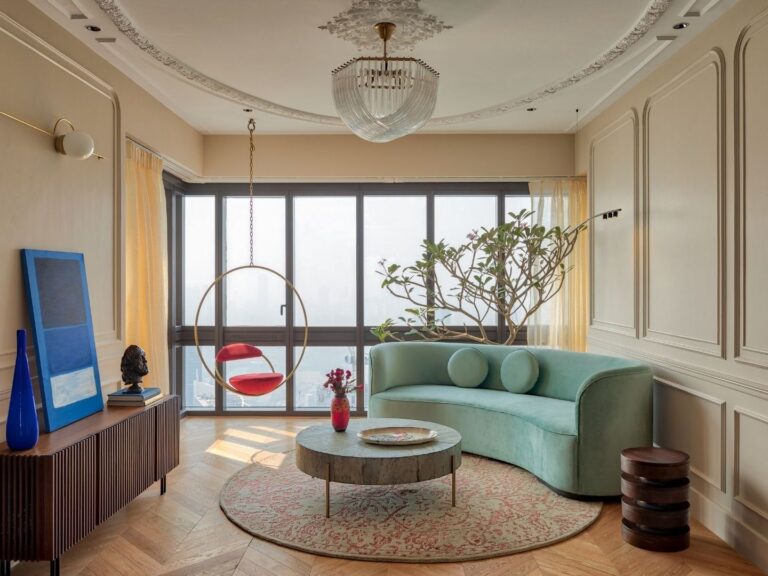
Prepare this living room for life: white walls, a white ceiling, and a single dramatic chandelier right in the center. The fixture is a cascade of crystal rods, catching light and throwing rainbows. In down ceiling design, a single statement fixture can define an entire open plan. You’ll love how the chandelier is visible from the entryway, drawing guests into the space.
The floor is polished concrete, industrial but warm. Down ceiling design often pairs rough textures below with sparkle above. This pin proves that you can have a minimalist room and a maximalist ceiling at the same time. Let the ceiling be the jewelry, and the rest of the room be the simple black dress.
12. Untitled — But Bathed in Even Light
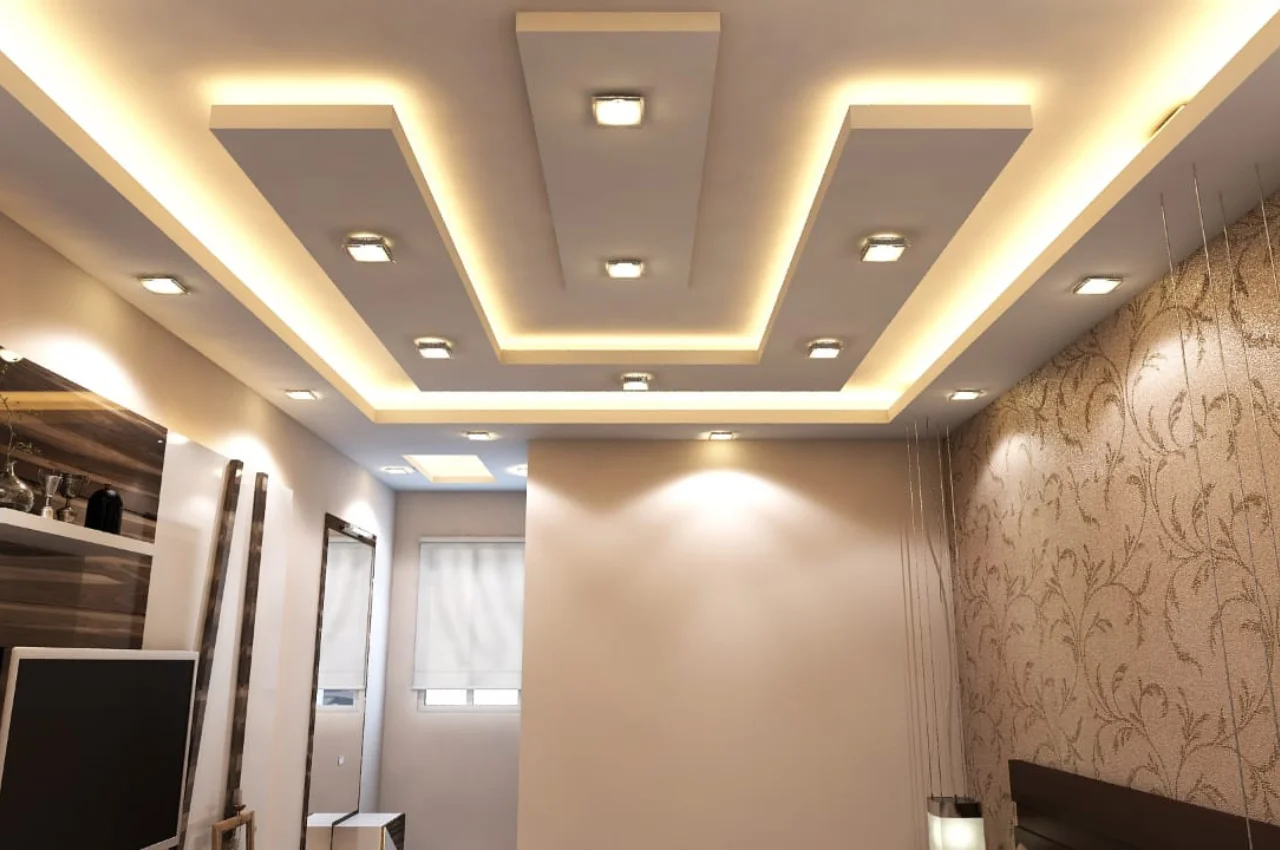
Appreciate the evenness of light in this untitled room: a ceiling with a dropped central panel, and LED strips hidden in the perimeter. The glow washes the walls, making the room feel like a softly lit box. In down ceiling design, indirect lighting is the most flattering. You’ll admire how there are no visible bulbs, just light that seems to come from nowhere.
The room holds a bed, a nightstand, a single chair. Down ceiling design with indirect light is perfect for bedrooms — it’s gentle on waking eyes. This pin is a tutorial: build a soffit or tray ceiling, install LED tape facing upward, and point it at the ceiling. The bounced light is soft, shadowless, and serene.
13. Modern Kitchen — Lit Up by a Linear Marvel
Cook under this modern kitchen’s ceiling: a long linear LED fixture suspended over the island, with smaller recessed lights over the counters. The linear light is matte black, almost invisible until it’s on. In down ceiling design, kitchens need layered lighting — task, ambient, and accent. You’ll love how the linear fixture provides focused light for chopping and prepping.
The cabinets are white, the backsplash is marble. Down ceiling design in a kitchen should be functional first, beautiful second. This pin demonstrates that you can have both: a sleek fixture that performs perfectly and looks like sculpture. Dim the linear light for dinner parties, and brighten it for meal prep.
14. Living Room Filled With Lots of Furniture — And a Large Ceiling Fixture
Navigate this living room filled with furniture — sofas, chairs, ottomans, side tables — but the eye goes straight to the ceiling. A large, sculptural pendant hangs low, made of woven rattan. In down ceiling design, a big room needs a big fixture. You’ll appreciate how the rattan’s texture echoes the jute rug below, tying the room together.
The furniture is a mix of styles, but the ceiling fixture unifies them. Down ceiling design often uses a statement piece to anchor a busy room. This pin teaches that when your floor is full, your ceiling should be bold. Choose a fixture that’s large enough to command attention, and let everything else settle around it.
15. Empty Hallway — Wooden Flooring, Circular Lights in a Row
Walk this empty hallway where circular lights are recessed in a perfect line down the center of the ceiling. The effect is like a runway of light, guiding you forward. In down ceiling design, hallways are often forgotten, but they shouldn’t be. You’ll love how the spacing of the lights — about 6 feet apart — creates a rhythm without being overwhelming.
The floor is wide plank oak, the walls are a soft gray. Down ceiling design in a hallway should feel like a journey, not a tunnel. This pin shows that even a passageway can be beautiful with the right lighting layout. Use recessed lights on a dimmer, so late-night trips to the bathroom are gentle on sleepy eyes.
16. Bedroom Ceiling Fan — Middle of the Bed, Other Furniture Around It
Feel the gentle breeze from this bedroom ceiling fan, mounted directly above the center of the bed. The fan has no light kit — just blades and a motor, sleek and quiet. In down ceiling design, sometimes light and air are separate. You’ll appreciate how the fan is painted to match the ceiling, almost disappearing when not in use.
The bed is large, with a low frame. Down ceiling design for fans: mount them 8 to 9 feet above the floor, and ensure blades are at least 18 inches from walls. This pin reminds us that air circulation is part of comfort. Choose a fan with a DC motor — they’re silent and energy-efficient.
17. Dining Room — Wood Flooring, Large Windows, and a Chandelier That Reflects
Dine under this chandelier that seems to float above a long wooden table. The windows are large, flooding the room with natural light by day; by night, the chandelier takes over, its crystals catching and scattering the light. In down ceiling design, a chandelier should be in harmony with the windows. You’ll notice how the chandelier’s height is set so it doesn’t block the view outside.
The chairs are upholstered in a soft blue, matching the room’s calm mood. Down ceiling design for dining: the bottom of the chandelier should be 30 to 36 inches above the table. This pin shows how a classic crystal fixture can feel modern when paired with simple wood and lots of natural light.
18. Empty Room — Lights in the Ceiling, Sliding Glass Doors to the Outside
Open the sliding glass doors and let the outside in. This empty room has recessed ceiling lights arranged in a grid, ready for whatever furniture you choose. In down ceiling design, spaces that connect to outdoors need flexibility. You’ll love how the lights are on multiple switches — you can light just the dining area or the whole room.
The floor continues from inside to outside, blurring the boundary. Down ceiling design should never compete with a view; it should enhance it. This pin is a lesson in restraint: don’t over-light a room with good natural light. Use your ceiling fixtures as supplements, not the main event.
19. Kitchen Ceiling Styles That Inspire — A Pin Worth Studying
Browse this collection of kitchen ceiling styles: tray ceilings with cove lighting, beadboard ceilings painted pale blue, and modern flat ceilings with recessed lights. Each has its own mood. In down ceiling design, the kitchen deserves special attention because it’s where function meets family. You’ll love how the beadboard adds texture without overwhelming.
The examples range from traditional to ultra-modern. Down ceiling design in a kitchen should consider heat, grease, and cleaning. Avoid fixtures with nooks that trap grime. This pin is an idea board: save it for your kitchen renovation, and remember that the ceiling is the fifth wall — don’t neglect it.
20. Large Dining Room — Table, Chairs, Wooden Everything, and a Ceiling That Matches
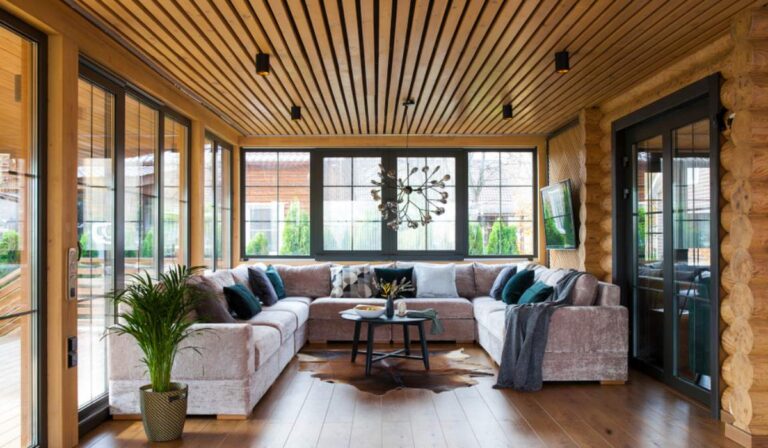
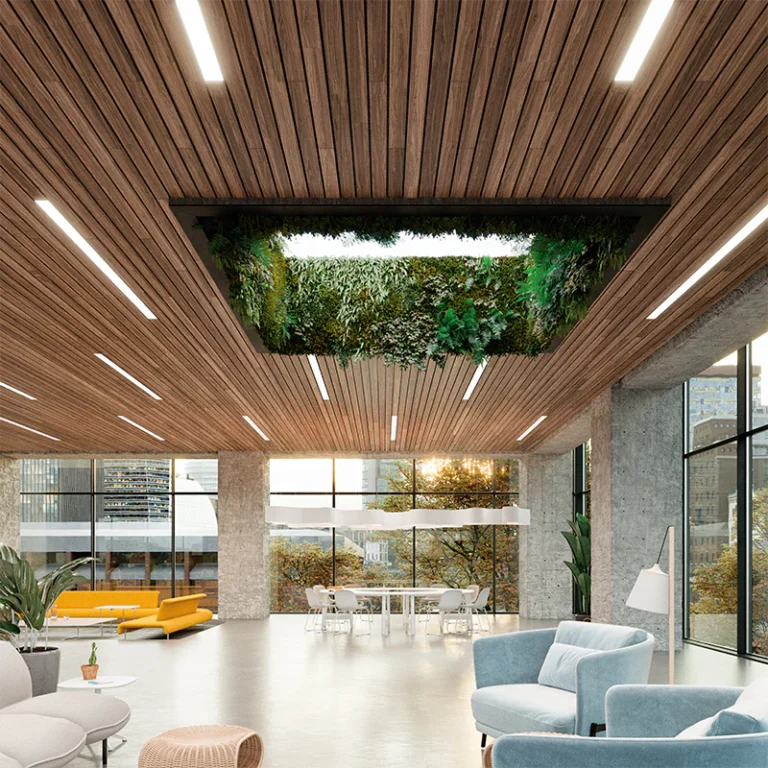
Gather a crowd in this large dining room where a wooden table and chairs sit under a wooden ceiling — plank boards stained a warm walnut. The effect is like dining inside a barrel. In down ceiling design, matching the ceiling to the floor creates a cohesive, cocooning feel. You’ll appreciate how the chandelier is a simple wrought iron ring, not competing with the wood.
The walls are a soft cream, letting the wood dominate. Down ceiling design for large rooms: don’t be afraid of a dark ceiling. It can make a vast space feel intimate. This pin proves that wood on the ceiling adds warmth and absorbs sound — perfect for noisy dinner parties.
21. Dining Room Clean and Ready — Us for Celebrations
Set the table in this clean, ready dining room. The ceiling is a simple white tray with a recessed cove of warm LED light. The effect is a soft glow that outlines the room’s perimeter. In down ceiling design, cove lighting is the ultimate in indirect illumination. You’ll love how the ceiling seems to float above the walls, creating a sense of airiness.
The dining set is mid-century modern, with tapered legs and a walnut finish. Down ceiling design with cove lighting works especially well in rooms with lower ceilings — it draws the eye up without needing height. This pin is a reminder that sometimes the best lighting is the light you barely notice, until you realize how good you look in it.
22. Ceiling Fan Mounted — On the Side Wall? A Clever Trick
Innovate with this unusual placement: a ceiling fan mounted on a side wall, blowing horizontally across the room. In down ceiling design, sometimes the standard approach doesn’t work — low ceilings, beams, or sloped roofs. You’ll appreciate how the fan is disguised as a piece of art, its blades enclosed in a drum.
The room is a small home office, and the fan keeps air moving without a central drop. Down ceiling design requires creativity. This pin shows that you can still have air circulation even if a traditional ceiling fan won’t fit. Look for “wall-mounted fans” or “low-profile ceiling fans” as alternatives.
23. Living Room Filled With Furniture — Wooden Ceiling Beams Add Rustic Warmth
Look up in this living room filled with furniture — a large sofa, armchairs, ottomans, a console — but the ceiling steals the show with faux wooden beams. They’re hollow, hiding LED strips that cast a warm glow upward. In down ceiling design, beams add architecture to a flat ceiling. You’ll love how the beams are spaced irregularly, feeling organic.
The furniture is all neutral, letting the ceiling be the star. Down ceiling design with beams works in any home, not just rustic ones. Paint the beams the same color as the ceiling for a subtle effect, or darker for drama. This pin proves that beams don’t have to be structural to be beautiful.
24. Large Bed — Sitting Under a Ceiling Fan With No Light
Rest under this large bed’s ceiling fan — a simple, no-light model with five dark wood blades. The fan is the only thing on the ceiling; no recessed lights, no chandelier. In down ceiling design, sometimes less is more. You’ll appreciate how the fan is controlled by a remote, with a silent DC motor.
The bed is dressed in white linen, the walls are a deep navy. Down ceiling design for sleep: avoid any light source above the bed. Use lamps on nightstands for reading, and let the fan be just for air. This pin is a reminder that a ceiling doesn’t need fixtures to be well-designed — sometimes its best function is to simply exist, quietly.
25. Living Room Filled With Lots of Furniture — Lighting That Ties It Together
Survey this living room filled with furniture — a large sectional, two armchairs, a coffee table, a media console — but the ceiling lighting is what makes it work. A combination of recessed lights, a central pendant, and a floor lamp in the corner. In down ceiling design, layering is everything. You’ll notice how the pendant is on a dimmer, set low for movie nights.
The walls are a warm gray, the rug is a faded Persian. Down ceiling design should be flexible, with multiple lighting zones. This pin is the final lesson: a great room has at least three sources of light. Your ceiling provides the base, but let lamps and sconces do the rest.
26. Large Open Kitchen — Dining Area, Island, and Ceiling Lights to Match
Cook and dine in this large open kitchen where the ceiling lighting defines zones. Over the island: three linear pendants in a row. Over the dining table: a single large drum shade. Over the sink: a small flush mount. In down ceiling design, open plans need distinct lighting zones. You’ll love how each fixture is on its own switch, allowing you to light only the area you’re using.
The cabinets are white, the counters are quartz. Down ceiling design for open kitchens: use the ceiling to create virtual walls. This pin is a blueprint: pendants over islands, chandeliers or drums over tables, recessed or track over work areas. The ceiling becomes your floor plan.
27. Living Room White Couches — Lights on the Ceiling, Everything Bright and Airy
Sink into white couches in this bright living room. The ceiling is a glossy white, reflecting light from large windows and recessed fixtures. In down ceiling design, a glossy ceiling (painted with high-gloss white) can bounce light deeper into a room. You’ll love how the ceiling seems to disappear, making the space feel endless.
A single large plant in the corner adds the only contrast. Down ceiling design for small rooms: use high-gloss paint on the ceiling to create the illusion of height. This final pin is your takeaway: the ceiling is not just a lid — it’s a tool. Use it to reflect, define, and transform. Your dream room starts from the top down.
🌟 Above & Beyond Guide: 7 Principles of Beautiful Down Ceiling Design
- 💡 Layer Your Light Like a Forest Canopy: In down ceiling design, don’t rely on one fixture. Combine recessed (ambient), pendants (task), and cove (accent) lighting. Each layer has a purpose, just like the different heights of trees in a forest — sunlight filters through in dappled ways.
- 📏 Height Matters — Know Your Numbers: Over a dining table, pendants should hang 30–36 inches above the surface. In hallways, recessed lights should be 6–8 feet apart. In down ceiling design, the math matters. Get it wrong, and the room feels off; get it right, and it feels intuitive.
- 🎨 Don’t Forget the Paint: A flat white ceiling reflects the most light, but a matte finish hides imperfections. For drama, try a dark ceiling (navy, forest green, charcoal) — it makes a large room feel intimate. In down ceiling design, paint is your cheapest but most impactful tool.
- 🕯️ Use Warm Bulbs Only: 2700K or 3000K. Avoid cool white (5000K) — it feels like an office or a hospital. Down ceiling design is about creating a mood, not a surgical suite. Warm light makes skin look healthy and rooms feel like a hug.
- 🪞 Let the Ceiling Reflect the Room: If you have lots of windows, use glossy paint on the ceiling to bounce light deeper. If your floors are dark, use lighter ceiling fixtures to balance. In down ceiling design, the ceiling should respond to the rest of the room, not ignore it.
- 🧺 Consider Practicality in Kitchens and Baths: In humid rooms, use sealed fixtures rated for damp locations. In kitchens, avoid fixtures with open tops that collect grease. Down ceiling design isn’t just beautiful — it’s smart. Choose fixtures you can clean easily.
- 🔌 Always, Always Use Dimmers: The same room at noon and midnight needs different light levels. Down ceiling design with dimmers gives you flexibility — bright for cleaning, medium for cooking, low for movie nights. It’s the single best upgrade you can make.
Frequently Asked Questions
Q: What is the difference between a tray ceiling and a coffered ceiling in down ceiling design?
Ans: A tray ceiling has a single recessed center panel, like an inverted tray — it’s simple and works well with indirect lighting. A coffered ceiling has a grid of recessed squares, more ornate and traditional. In down ceiling design, tray ceilings are best for modern homes, while coffered suits traditional or transitional spaces. Both can hide LED strips for stunning indirect glow.
Q: How low can a down ceiling design be before a room feels cramped?
Ans: In down ceiling design, the minimum comfortable ceiling height is 7 feet 6 inches for most rooms. If your ceiling is lower (7 feet or less), avoid hanging pendants and use only flush-mount or recessed lights. Also, paint the ceiling a glossy white to reflect light and create the illusion of height. Never install a tray or coffered ceiling in a low room — it will feel like a cave.
Q: What are the best down ceiling design options for a rental apartment where I can’t make permanent changes?
Ans: Use plug-in pendant lights that hang from a hook you install (easily patched later). Use adhesive LED strip lights to create cove effects on existing soffits. In down ceiling design for rentals, focus on portable fixtures: floor lamps that shine upward, torchiere lamps, and plug-in sconces. Avoid recessed lighting or any electrical work. You can still have a beautiful ceiling without touching the landlord’s wires.
Q: How do I choose the right size chandelier for my dining room in down ceiling design?
Ans: A simple formula: add the room’s width and length in feet, then convert that sum to inches. That’s the ideal chandelier diameter. For example, a 12×14 foot room = 26 inches wide fixture. In down ceiling design, the chandelier should also be hung so its bottom is 30–36 inches above the table. If your table is round, choose a round or clustered fixture. If rectangular, choose a linear or rectangular one.
Q: Can down ceiling design work with sloped or vaulted ceilings?
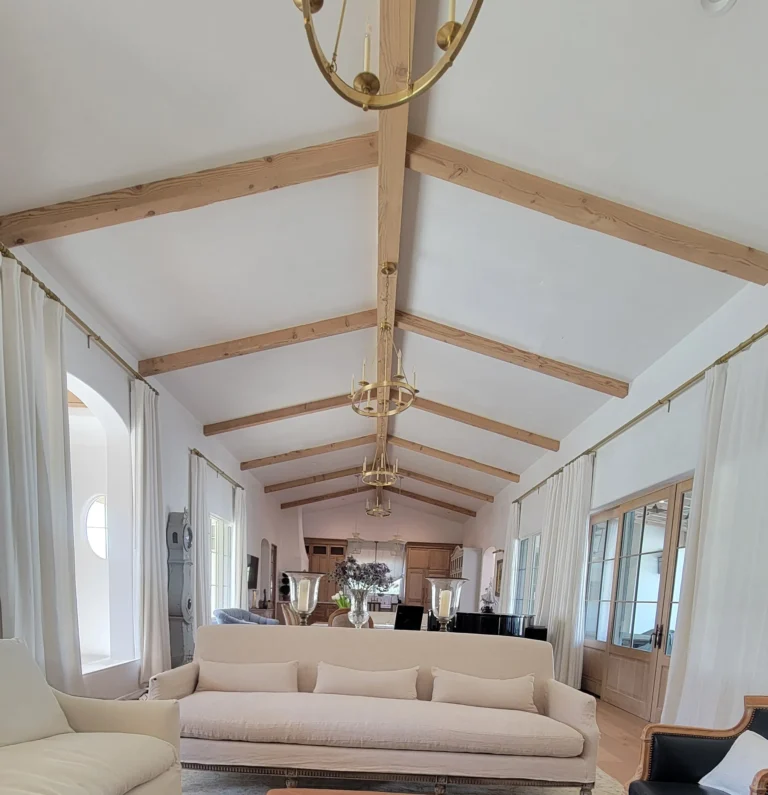
Ans: Absolutely. For sloped ceilings, use a pendant with a sloped ceiling adapter, or install track lighting that follows the slope. In down ceiling design for vaulted spaces, consider hanging a chandelier on a long chain or rod to bring light down to human scale. Also, use uplights placed on high shelves or beams to wash light across the slope — it highlights the architecture beautifully.
Conclusion
You’ve journeyed through twenty-seven rooms where the ceiling is never an afterthought — from recessed grids that disappear into whiteness to dramatic chandeliers that anchor entire living spaces, from wooden beams that add rustic warmth to cove lights that make ceilings float. Down ceiling design is the secret ingredient in every room that feels “finished.” It’s the difference between a space that’s merely functional and one that feels like a sanctuary. Whether you live in a modern apartment with low ceilings or a grand house with vaulted spaces, the principles are the same: layer your light, choose warm bulbs, use dimmers, and never forget that the ceiling is a canvas.
Now it’s your turn to look up. Grab a measuring tape and note your ceiling height. Swap a cool-white bulb for a warm one. Add a dimmer to your dining room chandelier. If you’re feeling bold, paint your ceiling a glossy white — or even a deep navy. In down ceiling design, even small changes transform a room. Your perfect space is waiting, from the top down. Go ahead — raise your eyes, and raise your expectations. ✨