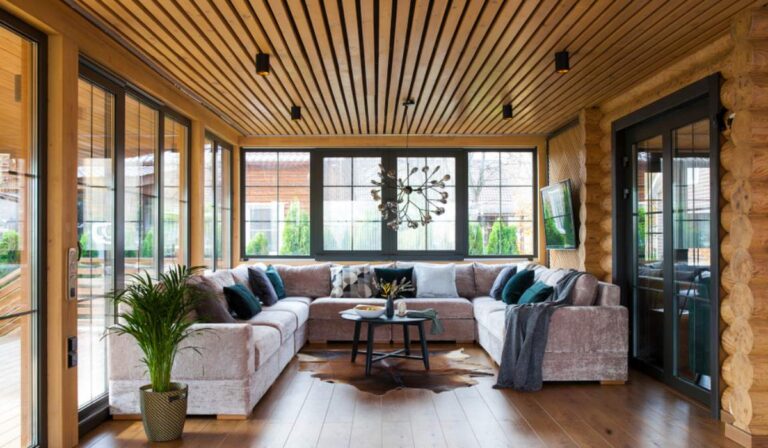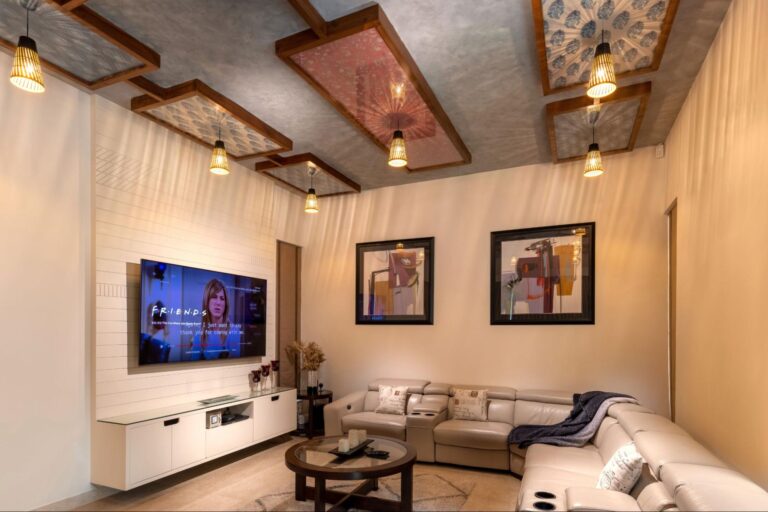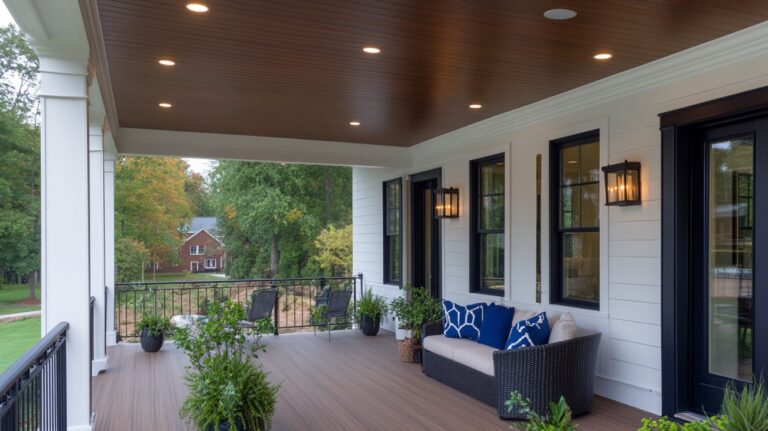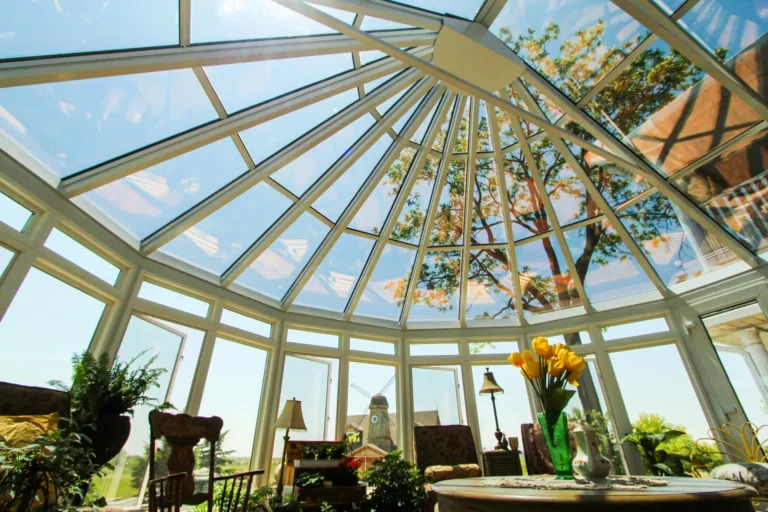
The ceiling is often called the fifth wall — and a peripheral false ceiling transforms it from a flat, forgotten surface into a glowing work of art. Unlike a full drop ceiling, a peripheral design adds a lower frame around the edges of the room, leaving the center higher and often featuring concealed LED strip lighting. This creates the illusion of a floating canopy, making the room feel taller, more spacious, and softly illuminated. Like the rim of a canyon catching the last rays of sunset, a peripheral false ceiling adds drama without overwhelming.
These peripheral false ceiling ideas will inspire you to look up and reimagine your space. From simple tray ceilings with cove lighting to elaborate curved corner designs, from gypsum board niches for ceiling fans to layered rectangular frames in living rooms and bedrooms, you’ll discover how to add architectural interest and ambient lighting without a full renovation. Like a meadow that glows from within, your room can feel both intimate and expansive — all by treating the ceiling with intention.
1. Cove Lighting Perimeter: Soft Glow Around an Empty Room
Install a peripheral false ceiling with concealed LED cove lighting around the entire room, leaving the center open and higher. This dramatic peripheral false ceiling design makes even an empty room feel grand. You’ll love how the hidden light source creates a soft, indirect glow, and how the floating ceiling draws the eye upward, like a horizon line glowing at dusk.
A cove-lit peripheral ceiling is a signature peripheral false ceiling feature. Use warm white LEDs (2700-3000K) for a cozy glow. The light reflects off the ceiling, creating ambient illumination without glare. Perfect for living rooms, bedrooms, and media rooms, this design adds depth and drama while keeping the center of the room visually open.
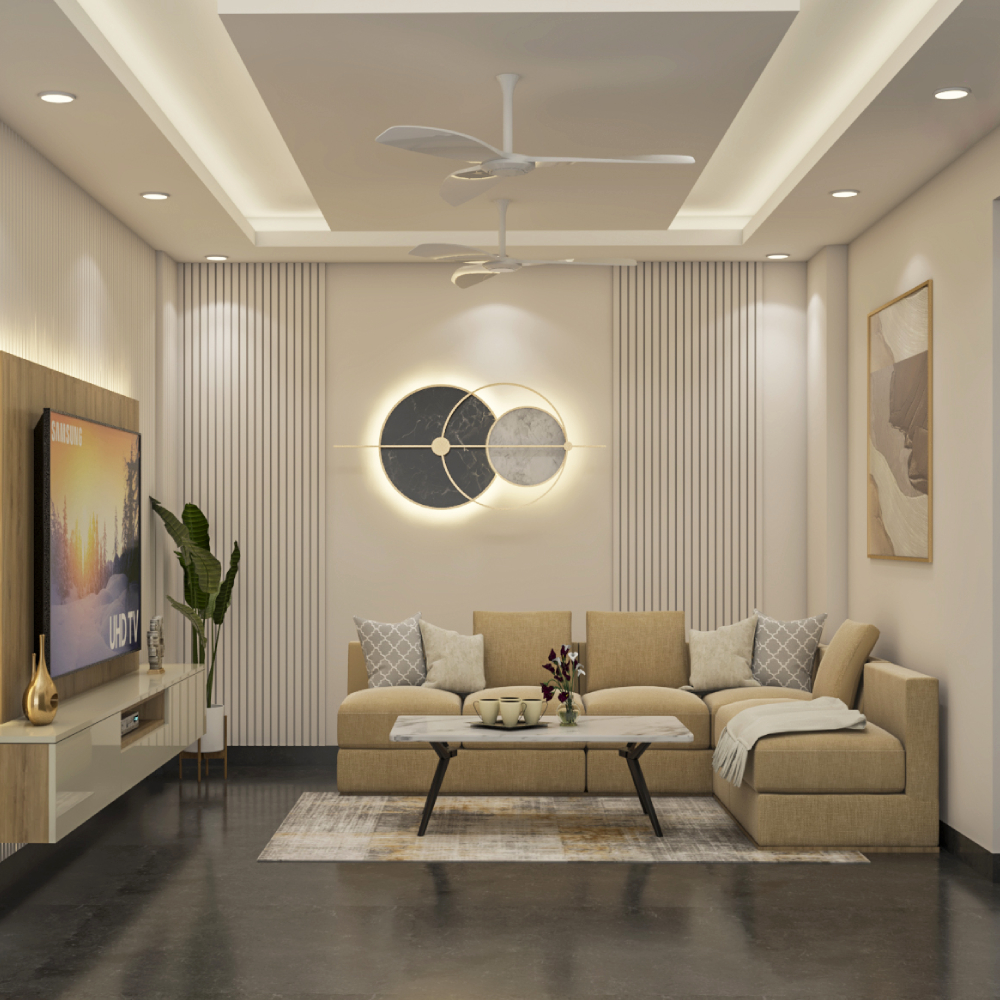
2. Gypsum Peripheral with Central Fan Niche
Combine a peripheral false ceiling with a central circular or square recess for a ceiling fan, keeping the fan flush with the lower edge. This functional peripheral false ceiling design hides the fan’s mounting plate while maintaining clean lines. You’ll appreciate how the central niche becomes a focal point, and how the peripheral cove lighting surrounds the room with soft illumination, like a halo around a quiet breeze.
A ceiling fan niche is a clever peripheral false ceiling detail. The central recess is typically 6-12 inches higher than the peripheral drop, giving the fan room to move air efficiently. Use gypsum board for the structure, and finish with smooth plaster and paint. The fan becomes part of the architecture, not an afterthought.
3. Minimalist Tray Ceiling: Clean & Simple
Create a simple tray ceiling with a peripheral drop of just 2-3 inches, leaving the center flat. This subtle peripheral false ceiling adds architectural interest without overwhelming. You’ll love how the slight step adds depth, and how the clean lines keep the room feeling modern and uncluttered, like the faint contour lines on a calm landscape.
A minimalist tray ceiling is perfect for peripheral false ceiling beginners. It’s a simple rectangular or square step around the perimeter. Paint the lower edge white and the center ceiling a slightly lighter or darker shade for contrast. Add recessed lights in the center for task lighting. The effect is subtle but sophisticated, adding value without drama.
4. Living Room with Chandelier & Peripheral Lights
Combine a central chandelier with a peripheral false ceiling that has cove lighting. This layered peripheral false ceiling design gives you both task/ambient light (chandelier) and mood light (cove). You’ll adore how the chandelier becomes the jewel, and how the cove light softly illuminates the edges, like a star surrounded by a gentle glow.
Layered lighting is key in peripheral false ceiling design. Use the cove lights for everyday ambient glow, and the chandelier for dining or entertaining. Dim both separately. The combination of direct and indirect light creates depth and warmth, making the room feel rich and inviting.
5. Curved Corner POP Design: Soft & Elegant
Design a peripheral false ceiling with curved corners instead of sharp 90-degree angles, creating a softer, more flowing look. This elegant peripheral false ceiling detail is perfect for modern and contemporary homes. You’ll love how the curves echo organic shapes, and how the perimeter seems to float, like a cloud with softened edges.
Curved corners require skilled plasterwork but the result is stunning. In peripheral false ceiling design, curves soften the room’s geometry, making it feel more organic and less boxy. Use them in living rooms, dining rooms, or master bedrooms. Pair with cove lighting to highlight the graceful arcs.
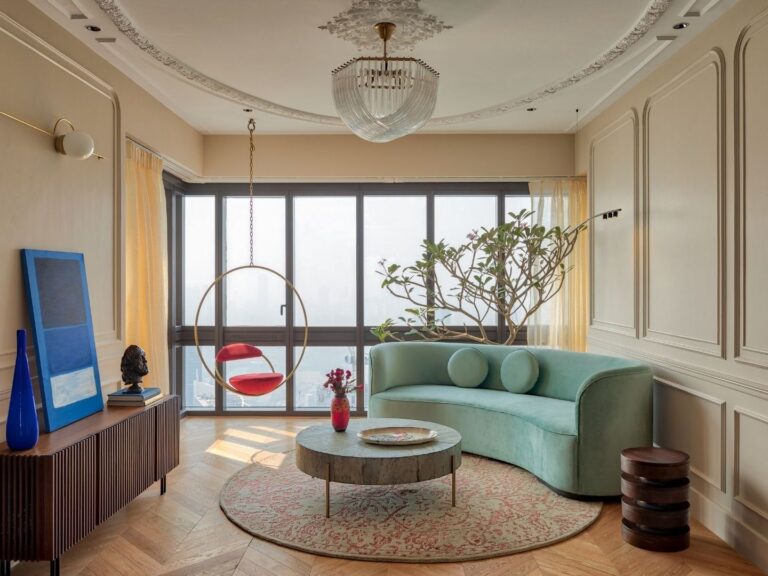
6. Living Room with Couch, Coffee Table & Chandelier
Hang a chandelier from the center of a peripheral false ceiling, with cove lighting around the perimeter. This balanced peripheral false ceiling design gives you both statement lighting and ambient glow. You’ll appreciate how the chandelier grounds the room, and how the cove lights make the ceiling feel taller, like a forest canopy with a single beam of sunlight.
The combination of central chandelier and peripheral cove lights is a classic peripheral false ceiling layout. Use a dimmer for both. The chandelier provides task lighting for the coffee table; the cove lights provide mood lighting for relaxation. The room feels layered, intentional, and deeply comfortable.
7. Dining Room Peripheral Ceiling with Curtains & Windows
Install a peripheral false ceiling in a dining room with floor-length curtains and a windowsill. The cove lighting will make the room feel intimate and elegant. This peripheral false ceiling design is perfect for dinner parties. You’ll love how the soft light reflects off the curtains, and how the peripheral drop defines the dining area, like a canopy over a feast.
In a dining room, a peripheral false ceiling with warm cove lighting creates a flattering atmosphere for guests. Use a dimmer to adjust from bright to romantic. The peripheral drop visually lowers the ceiling at the edges, making the room feel cozier — perfect for long dinners and conversation.
8. Hanging Pendant Lights Over Dining Table
Suspend two or three pendant lights over a dining table from the center ceiling, while the peripheral false ceiling provides cove lighting around the room’s edge. This layered peripheral false ceiling design gives you focused task lighting and ambient glow. You’ll appreciate how the pendants define the table, and how the cove lights soften the room, like candles and moonlight together.
Pendants + cove lights is a winning peripheral false ceiling combination for dining rooms. Hang pendants at 30-36 inches above the table. Use warm bulbs (2700K). The cove lights should be on a separate dimmer. The pendants provide light for eating; the cove lights provide ambiance for lingering.
9. Bedroom: Ceiling Fan & Peripheral False Ceiling
Position a large bed under a ceiling fan, with a peripheral false ceiling that includes a central recess for the fan. This thoughtful peripheral false ceiling design keeps the fan flush and the lines clean. You’ll love how the fan blends into the architecture, and how the cove lighting makes the room feel serene, like a gentle breeze on a warm night.
A ceiling fan niche is a must in peripheral false ceiling bedrooms. The central recess should be at least 8-12 inches higher than the peripheral drop, giving the fan room to circulate air. Use a remote-controlled fan so you don’t need wall switches. The fan becomes part of the ceiling design, not an eyesore.
10. Top 10 False Ceiling: Two-Level Peripheral
Create a two-level peripheral false ceiling, with an outer drop and an inner raised rectangle or circle. This complex peripheral false ceiling adds architectural depth and interest. You’ll appreciate how the multiple levels create shadow and light, and how the design feels custom and high-end, like the ceiling of a luxury hotel lobby.
Two-level peripheral ceilings are for those who love detail. The outer level drops 6-8 inches, the inner level drops only 2-3 inches, or is raised back up. Use cove lighting in the step between levels. The effect is stunning — a ceiling that’s a work of art, with light glowing from within the layers.
11. Open Plan Living & Dining: Unified Peripheral Ceiling
Run a continuous peripheral false ceiling around an open-plan living and dining area, unifying the two zones. This cohesive peripheral false ceiling design visually connects the spaces. You’ll love how the continuous perimeter makes the room feel larger, and how the cove lighting ties everything together, like a common horizon for two meadows.
In open-plan spaces, a peripheral false ceiling that runs continuously is more cohesive than separate designs. Use the same drop height and cove lighting throughout. You can then use furniture placement to define the living and dining zones. The ceiling unifies; the furniture separates. It’s a perfect balance.
12. Empty Room with Ceiling Fan & Sliding Glass Door
Install a peripheral false ceiling in an empty room with sliding glass doors, using the cove lights to draw attention to the door. This simple peripheral false ceiling makes the room feel finished and intentional. You’ll appreciate how the soft light highlights the door, and how the peripheral drop makes the ceiling look higher, like a frame around a view.
In a room with great natural light, a peripheral false ceiling should complement, not compete. Use a subtle drop (2-3 inches) and warm cove lighting. The ceiling should enhance the architecture, not overwhelm it. The sliding glass door remains the star; the ceiling is the supporting actor.
13. Living Room with Wall Art & Peripheral Lights
Use cove lighting in a peripheral false ceiling to indirectly illuminate wall art. This clever peripheral false ceiling trick eliminates the need for picture lights. You’ll love how the soft light washes over the art, and how the peripheral drop frames the room, like a gallery with its own built-in lighting.
If you have large wall art, aim your cove lights to shine outward onto the walls. The indirect light will highlight the art without glare. In peripheral false ceiling design, this is called “wall washing.” It’s an elegant, seamless way to light your art collection.
14. Bedroom with Central Bed & Peripheral Lighting
Center a large bed in a bedroom, with a peripheral false ceiling that has cove lighting and a central fan recess. This balanced peripheral false ceiling design makes the bed the focal point. You’ll appreciate how the soft light creates a tranquil atmosphere, and how the ceiling feels like a canopy over the bed, like a cloud floating above.
In a bedroom, a peripheral false ceiling with cove lighting can replace harsh overhead lights. Use a dimmer to lower the lights for sleep. The central fan recess should be large enough for the fan blades to turn freely. The result is a serene, modern bedroom that feels like a luxury hotel suite.
15. Bedroom: Ceiling Fan in Middle, Bed Off-Center
Center the ceiling fan in the room (not directly over the bed), with a peripheral false ceiling that includes a central fan niche. This practical peripheral false ceiling design is for rooms where the bed is off-center. You’ll love how the fan still cools the whole room, and how the peripheral cove lighting unifies the space, like a balanced ecosystem.
Sometimes the bed can’t be centered under the fan. In peripheral false ceiling design, center the fan in the room’s geometry, not over the bed. The peripheral ceiling will draw the eye around the room, making the off-center bed less noticeable. The fan will still cool effectively.
16. Clean Living Room with Recessed & Cove Lighting
Combine recessed downlights in the center ceiling with cove lighting in the peripheral false ceiling. This layered peripheral false ceiling gives you both focused task light and soft ambient glow. You’ll appreciate how the recessed lights illuminate the seating area, and how the cove lights make the room feel taller, like sunlight through a forest canopy.
Recessed lights + cove lights is a versatile peripheral false ceiling combination. Use recessed lights for reading and tasks (dimmable). Use cove lights for evening ambiance. The two systems can be on separate dimmers, giving you complete control over the room’s mood.
17. Large Bedroom with Cove Lighting Only
Use only cove lighting in a peripheral false ceiling — no central light at all. This all-ambient peripheral false ceiling creates a serene, shadow-free bedroom. You’ll love how soft and even the light is, and how it mimics the feel of a high-end hotel, where no harsh overhead light disturbs the calm.
For a truly relaxing bedroom, skip the central light. In peripheral false ceiling design, use only cove lighting around the room’s perimeter. Add task lighting with bedside lamps. The room will feel like a spa — calm, soft, and perfect for sleep. It’s the ultimate in ambient illumination.
18. Kitchen with Peripheral False Ceiling & Island Lights
Combine a peripheral false ceiling with cove lighting and pendant lights over a kitchen island. This functional peripheral false ceiling gives you task lighting over the island and ambient light around the room. You’ll appreciate how the pendants define the island, and how the cove lights make the kitchen feel warm and inviting, like a cooking show set.
In a kitchen, a peripheral false ceiling works best when combined with task lighting over work areas. Use pendants over the island, under-cabinet lights for counters, and cove lights for ambiance. The peripheral ceiling adds polish and hides wiring for the pendants.
19. Modern Living Room: White Couches & Wood Ceiling Insert
Create a peripheral false ceiling with a wood-paneled insert in the center, and cove lighting in the step between. This warm peripheral false ceiling combines modern and natural materials. You’ll love how the wood adds warmth, and how the cove lighting makes the ceiling glow, like a wooden boat lit from within.
A wood insert is a stunning peripheral false ceiling feature. Use walnut, oak, or teak veneer in the center panel. The peripheral drop is painted white. Cove lighting hides between the wood and white, casting a warm glow upward. The combination is modern, warm, and unforgettable.
20. Living Room with Chandelier & Cove Lights
Hang a chandelier in the center of a peripheral false ceiling, with cove lighting around the edge. This elegant peripheral false ceiling gives you two layers of light. You’ll adore how the chandelier sparkles, and how the cove lights soften the room, like a grand ballroom with chandeliers and wall sconces.
This is a classic peripheral false ceiling design for formal living rooms. Use a chandelier with a dimmer for task lighting, and separate dimmer for the cove lights. The combination allows you to go from bright to romantic with the flip of a switch.
21. Empty Room with Wood Floors & Red Drapes
Install a peripheral false ceiling in an empty room with wood floors and red drapes, letting the cove lights warm the rich colors. This dramatic peripheral false ceiling highlights the contrast. You’ll love how the soft light makes the red drapes glow, and how the peripheral ceiling frames the architecture, like a stage waiting for a performance.
In a room with strong colors (red drapes, dark wood floors), a peripheral false ceiling with cove lighting will soften and unify. The indirect light will bounce off the ceiling, warming the room. It’s the perfect finishing touch for a dramatic, moody space.
22. Ceiling Fan in a Peripheral False Ceiling
Mount a ceiling fan in the center of a peripheral false ceiling, with a flush or slightly recessed mount. This practical peripheral false ceiling integrates the fan seamlessly. You’ll appreciate how the fan becomes part of the architecture, and how the cove lighting makes the fan blades glow, like a slow-moving ceiling sculpture.
When integrating a fan into a peripheral false ceiling, ensure the fan’s blades have enough clearance (at least 18 inches from walls). The central recess should be just large enough for the fan mount, not the blades. The cove lights should be outside the fan’s diameter. The result is a ceiling that looks custom-designed for the fan.
23. Bedroom with Large Bed Centered Under Window
Center a large bed under a window, with a peripheral false ceiling that has cove lighting and a central fan recess (if needed). This flexible peripheral false ceiling works around your furniture placement. You’ll love how the cove lights highlight the window, and how the ceiling feels like a custom frame for the bed, like a canopy that respects the view.
In a bedroom where the bed is centered under a window (instead of on a solid wall), a peripheral false ceiling still works. The cove lights will wash the window wall with soft light. The peripheral drop defines the room’s perimeter, regardless of furniture placement. The design is flexible, elegant, and always flattering.
🕯️ Light & Layering Guide: 5 Essential Principles for a Peripheral False Ceiling
- 💡 Cove Lighting Is Key: The magic of a peripheral false ceiling is in the hidden light. Use warm white LED strips (2700-3000K) in a cove (a recessed channel) around the perimeter. The light should bounce off the wall and ceiling, never be directly visible. This indirect light creates a soft, shadow-free glow that makes the room feel larger and more luxurious. Avoid cool white or colored LEDs for a classic look.
- 📏 Proportion Matters: A peripheral false ceiling should drop 2-6 inches from the original ceiling, depending on your room height. In a room with 8-foot ceilings, drop only 2-3 inches to avoid feeling cramped. In a room with 10-foot ceilings, you can drop 6-8 inches for drama. The width of the peripheral band should be 12-24 inches. Too narrow looks skimpy; too wide looks heavy.
- 🪢 Plan for Ceiling Fans and Fixtures: If you have a ceiling fan or chandelier, plan your peripheral false ceiling around it. Create a central raised or recessed area for the fixture. Ensure the fan blades have at least 18 inches of clearance from the peripheral drop. The central area should be at least the diameter of the fan or chandelier. Good planning prevents costly mistakes.
- 🎨 Paint the Recess Dark: In a peripheral false ceiling with cove lighting, paint the inside of the cove a matte black or dark gray. This hides the LED strip and prevents the light from creating a harsh line. The dark color absorbs stray light, making the glow appear to come from nowhere. It’s a professional detail that elevates the entire design.
- 🔌 Wire Before You Close: If you’re building a peripheral false ceiling, run all electrical wires (for cove lights, recessed lights, fans, chandeliers) before installing the gypsum board. Plan your switch locations. Use dimmers everywhere. It’s much easier to wire before the ceiling is closed. A little planning saves a lot of headache.
Frequently Asked Questions
Q: What is the difference between a peripheral false ceiling and a full false ceiling?
Ans: A peripheral false ceiling only lowers the edges of the room, leaving the center at the original height. A full false ceiling lowers the entire ceiling. The peripheral design is cheaper, makes the room feel taller (by contrast), and is perfect for hiding cove lighting. Full false ceilings are used to hide ductwork or create a completely new ceiling height. For most homes, a peripheral false ceiling offers the best balance of cost and impact.
Q: How much does a peripheral false ceiling cost?
Ans: A peripheral false ceiling typically costs $3-8 per square foot of ceiling area, depending on complexity and materials. A simple 12×12 living room might cost $500-1,500 installed. Adding cove lighting adds $100-300 for LED strips and drivers. Curved corners or multiple levels increase cost. For a DIYer, materials alone (gypsum board, metal studs, joint compound) might cost $200-500 for a small room. Professional installation is recommended for complex designs.
Q: What are the best materials for a peripheral false ceiling?
Ans: The most common peripheral false ceiling material is gypsum board (drywall) on a metal stud frame. This is versatile, paintable, and fire-resistant. For high-moisture areas (bathrooms, kitchens), use moisture-resistant green board. For a modern look, you can use wood veneer, PVC panels, or even metal tiles on the lower face. Gypsum is the standard for most homes — it’s affordable, easy to finish, and looks seamless when painted.
Q: Can I install a peripheral false ceiling in a room with low ceilings?
Ans: Yes — in a room with 8-foot ceilings, use a minimal drop of just 2 inches. The peripheral false ceiling will still add architectural interest without making the room feel cramped. Use cove lighting to draw the eye upward. Avoid a wide peripheral band (keep it 12 inches or less). The key is subtlety. A low room can still benefit from a peripheral design, as long as the drop is minimal and the lights are bright.
Q: How do I clean and maintain a peripheral false ceiling?
Ans: A peripheral false ceiling requires occasional dusting. Use a soft brush attachment on a vacuum or a microfiber cloth on an extendable pole. For cove lights, dust the LED strips annually. LED strips last 50,000+ hours (15+ years of normal use). If a strip fails, replace it — they’re modular and inexpensive. The painted gypsum surface can be wiped with a damp cloth if needed. Avoid water near electrical components. With basic care, a false ceiling will last decades.
Conclusion
You have looked up through a gallery of peripheral false ceiling designs — from simple tray ceilings with cove lighting to elaborate two-level structures with curved corners, from fan-integrated bedrooms to open-plan living rooms with unified perimeters. Each image whispered the same truth: the fifth wall is not an afterthought. It’s an opportunity to add depth, light, and architectural interest without changing your furniture or floor plan. Like a meadow that glows from within, a peripheral false ceiling transforms a room from ordinary to extraordinary, all by treating the ceiling with the same care as the walls.
Now it is your turn to look up at your own ceilings and dream. Go find an electrician, a carpenter, or a DIY plan. Your peripheral false ceiling journey begins with a simple cove light, a single peripheral drop, a decision to add another layer of beauty. The ceiling is waiting — not to be ignored, but to be illuminated. ✨🕯️🏛️